
Vietnam is a wonderful destination for food lovers. From steaming bowls of pho and freshly prepared spring rolls to grilled meats, fragrant herbs, and regional specialties, Vietnamese cuisine offers an incredible variety of flavors and experiences.
However, if you are visiting Vietnam from Europe or North America, especially from countries such as the Czech Republic, Germany, the United States, or Canada, you may find that the local food culture is quite different from what you are used to at home.
For motorcycle travelers, food is more than just part of the adventure. It is an essential part of staying healthy, maintaining energy, and remaining alert on long riding days.
At Vietnam MotoTour, we encourage our riders to explore local cuisine while making sensible food choices throughout their journey. Here are some practical tips to help you adapt to Vietnamese food, maintain a balanced diet, and enjoy your motorcycle adventure with confidence.
1. Understand the Differences Between Vietnamese and Western Food
One of the first things you may notice in Vietnam is that meals are often built around rice, noodles, vegetables, herbs, and a variety of meat or seafood dishes.
In Germany and the Czech Republic, many traditional meals feature bread, potatoes, dumplings, pork, beef, and cooked vegetables. In North America, meals often include bread, pasta, potatoes, salads, and larger portions of meat.
Vietnamese cuisine has a different balance of ingredients and flavors.
Rice and noodles instead of bread and potatoes
Rice and rice noodles are staple foods throughout Vietnam. They provide carbohydrates that help fuel long days on the road. If you prefer bread or potatoes, you can still find them in larger towns and cities, although availability may be limited in remote mountain areas.

More fresh herbs and vegetables
Vietnamese dishes frequently include fresh herbs, leafy vegetables, bean sprouts, and raw garnishes. These add flavor and variety, but raw ingredients require careful handling. When food hygiene is uncertain, choose vegetables that have been thoroughly cooked.
Different seasonings and flavors
Fish sauce, fermented ingredients, garlic, chili, lime, and fresh herbs are common in Vietnamese cooking. Some dishes may taste saltier, sweeter, more sour, or spicier than expected.
The good news is that Vietnamese cuisine is highly diverse. You do not need to enjoy every local specialty to eat well during your trip.
2. Be Careful with Street Food Without Missing the Experience
Street food is one of the most exciting parts of traveling in Vietnam. You can discover authentic regional dishes at small family-run restaurants, roadside kitchens, and local markets.

You do not need to avoid street food altogether. The key is to choose carefully.
Here are some practical guidelines:
- Choose busy food stalls. A steady flow of customers can be a useful sign that food is being prepared regularly, although it does not guarantee food safety.
- Prefer freshly cooked, piping-hot meals. Soups served hot, freshly grilled meat, and food cooked thoroughly in front of you are generally sensible choices.
- Check how food is handled. Avoid establishments where cooked food sits uncovered for long periods, raw meat is stored beside ready-to-eat food, or utensils look visibly dirty.
- Be cautious with raw vegetables and herbs. These may have been washed with water that is not safe to drink. Choose cooked vegetables when you are unsure about the washing conditions.
- Pay attention to ice and drinking water. Use sealed bottled water or water from a reliable treated source. Avoid ice when its source is uncertain.
- Eat seafood carefully. Choose reputable restaurants and seafood that is thoroughly cooked and served hot.
A busy local restaurant with freshly prepared food can be a rewarding experience. A little attention to hygiene can help you enjoy it with greater peace of mind.
3. Start Gradually if You Are Not Used to Vietnamese Food
A sudden change in diet can sometimes cause digestive discomfort, especially during the first few days of a trip.
You may experience bloating, changes in bowel movements, or a feeling of heaviness after meals. Spicy food, unfamiliar ingredients, large portions, and changes in meal timing can all contribute.
Rather than trying everything at once, introduce unfamiliar dishes gradually.
For example, you could begin with chicken pho, steamed rice with grilled chicken, or a simple noodle dish. Once you are comfortable, explore regional specialties and stronger flavors.
If you are sensitive to chili, ask for it to be served separately. Many Vietnamese dishes can be prepared with little or no chili.
You can also request less oil, less sugar, or less seasoning when ordering.
Useful Vietnamese phrases:
- Không cay, xin vui lòng. — Not spicy, please.
- Ít dầu thôi. — Less oil, please.
- Không cho đường. — No added sugar, please.
- Thịt gà. — Chicken.
- Thịt bò. — Beef.
- Thịt lợn. — Pork.
- Rau nấu chín. — Cooked vegetables.
- Không ăn được… — I cannot eat…
These simple phrases can make ordering food much easier, particularly in smaller towns where English may not be widely spoken.
4. Eat for Energy During Long Motorcycle Riding Days
A motorcycle adventure through Vietnam can involve several hours of riding, mountain passes, winding roads, changing weather, and limited opportunities to stop for food.
Your meals should provide steady energy without leaving you feeling excessively full or sleepy.
Breakfast: Start the Day Properly
Breakfast is particularly important before a long ride.
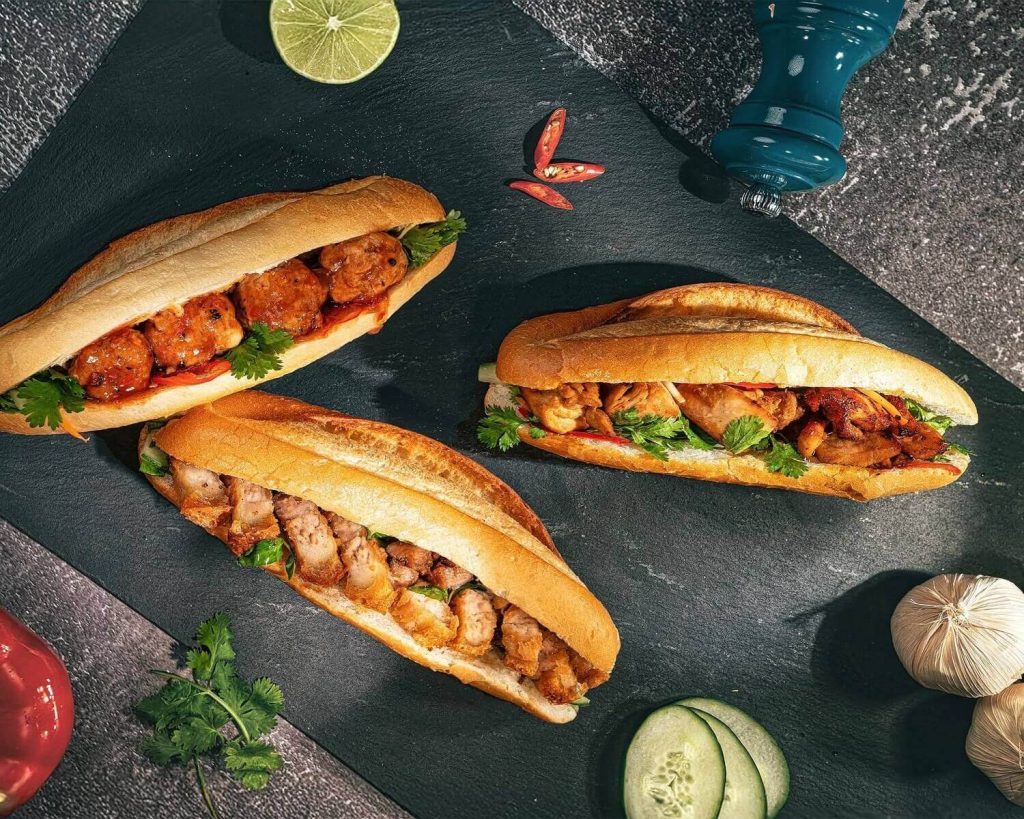
Good options include:
- Pho with beef or chicken.
- Bread with eggs.
- Sticky rice with a suitable protein.
- Rice with eggs or lean meat.
- Oatmeal, yogurt, and fruit where available.
Try to combine carbohydrates with protein rather than relying entirely on sweet pastries or coffee.
A substantial breakfast can help you begin the day with enough energy, but avoid eating so much that you feel uncomfortable while riding.
Lunch: Keep It Balanced and Moderate
For lunch, look for a meal that combines rice or noodles, protein, and vegetables.
Examples include rice with grilled chicken, rice with fish and cooked vegetables, or a noodle soup with meat.
Avoid excessively large, greasy meals immediately before a long afternoon ride. Heavy meals can cause discomfort, and post-meal drowsiness can make riding less safe.
If you feel tired after lunch, take a proper break instead of relying on coffee or energy drinks to push through.
Dinner: Recover After the Ride
Dinner is an opportunity to replenish energy and recover after a demanding day.
A balanced meal might include rice, fish or meat, cooked vegetables, and soup. If you have ridden for many hours or completed a physically demanding off-road section, you may need a larger portion of carbohydrates and protein.
Try to eat a varied diet rather than choosing fried food at every meal.
Fresh fruit can be a useful addition, provided it is washed with safe water or peeled by you.
5. Stay Hydrated in Vietnam’s Heat and Humidity
Heat and humidity can make motorcycle travel physically demanding, particularly for riders wearing protective clothing and helmets.
Dehydration can contribute to headaches, fatigue, dizziness, and reduced concentration. These symptoms are especially concerning when riding a motorcycle.
Follow these practical habits:
- Drink water regularly throughout the day rather than waiting until you feel very thirsty.
- Carry sufficient drinking water, particularly on remote mountain routes.
- Drink additional fluids when sweating heavily.
- Consider an oral rehydration solution during significant fluid loss from diarrhea or vomiting, following the product instructions.
- Eat regular meals and avoid excessive alcohol consumption.
Water needs vary according to temperature, exertion, body size, and individual health. Do not force excessive amounts of water; drinking too much can also be dangerous.
Coffee and tea are widely available in Vietnam. Moderate coffee consumption may fit into your routine, but coffee should not replace water, food, or adequate rest.
If you develop dizziness, confusion, fainting, or severe weakness in hot conditions, stop riding and seek appropriate medical assistance.
6. Be Smart About Protein, Vegetables, and Micronutrients
Travelers sometimes eat plenty of rice or noodles but too little protein and vegetables, particularly when moving through remote areas.
To maintain a balanced diet, try to include the following throughout the day.
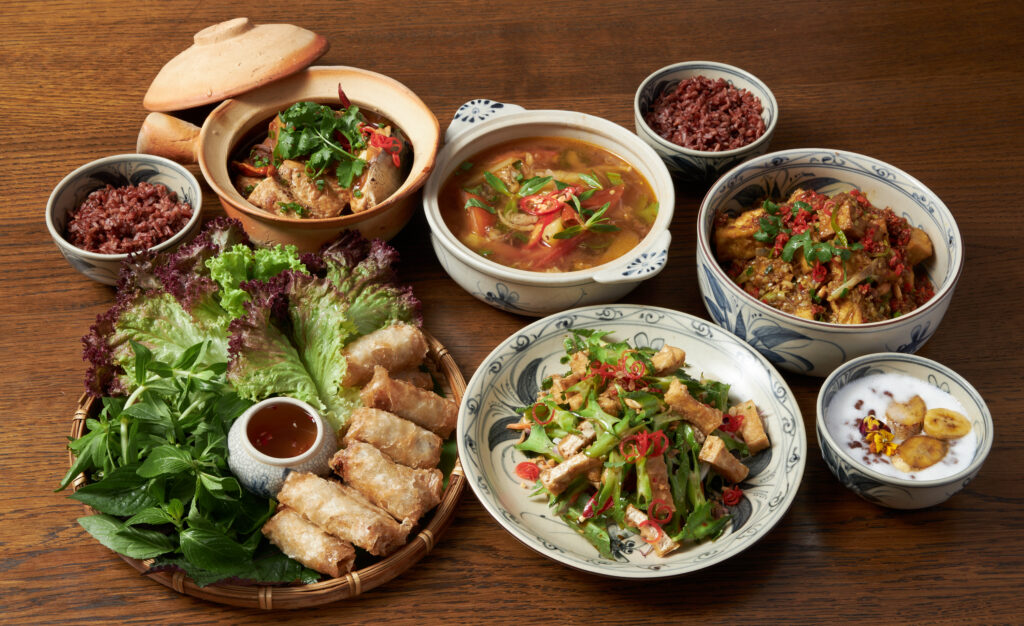
Protein
Eggs, chicken, pork, beef, fish, tofu, and beans can help support muscle maintenance and recovery.
Carbohydrates
Rice, noodles, bread, potatoes, oats, and other grains provide energy for riding and walking.
Vegetables
Choose a variety of cooked vegetables whenever possible. They contribute fiber, vitamins, and minerals.
Fruit
Bananas, oranges, mandarins, dragon fruit, and other seasonal fruits can provide variety and useful nutrients. Prefer intact fruit that you can peel yourself or fruit prepared hygienically.
Healthy fats
Fish, nuts, seeds, and suitable cooking oils contribute to a balanced diet. Nuts can also be a convenient snack between meals.
You do not need to count every calorie during your holiday. Focus instead on eating regularly and including a reasonable mix of food groups.
7. Common Dietary Challenges for European and North American Travelers
Some dietary habits that work well at home may be harder to maintain during a motorcycle trip through Vietnam.
If You Usually Eat Bread or Potatoes
Bread is available in most towns, partly because of Vietnam’s baguette tradition. However, wholegrain bread and familiar Western-style breakfasts may be less common in rural areas.
Rice, noodles, eggs, and potatoes can provide suitable alternatives. You may also find bread, yogurt, oats, or breakfast cereals in larger cities and tourist centers.
If You Prefer Mild Food
Vietnamese food is not always spicy, but chili may be added during cooking or served at the table.
Ask for không cay and request chili separately. If you are sensitive to strong flavors, begin with simple soups, steamed rice, eggs, or grilled meat.
If You Eat a High-Protein Diet
You can usually find eggs, chicken, pork, beef, fish, and tofu. In remote areas, however, the available choices may be limited.
When possible, choose meals that include a clear protein source rather than eating only rice or noodles.
If You Are Vegetarian
Vegetarian food is available throughout Vietnam, especially in Buddhist vegetarian restaurants, known as quán chay.
However, a dish containing vegetables may still include fish sauce, meat broth, or shrimp paste. Clearly explain your requirements.
Useful phrases include:
- Tôi ăn chay. — I am vegetarian.
- Không thịt, không cá, không nước mắm. — No meat, fish, or fish sauce.
- Có món chay không? — Do you have vegetarian dishes?
If you follow a strict vegan diet, explain that you also avoid eggs, dairy products, and other animal-derived ingredients.
If You Have Food Allergies
Food allergies require particular attention. Peanuts, tree nuts, shellfish, fish, soy, eggs, wheat, and sesame may appear in dishes or sauces.
Carry a written Vietnamese translation of your specific allergies and explain that even small amounts may cause a reaction. Ask about ingredients, preparation surfaces, and shared cooking oil.
Be aware that some small restaurants may not be able to guarantee protection from cross-contact. If you have a history of severe allergic reactions, carry your prescribed emergency medication and follow your clinician’s advice.
8. What About Diarrhea and Other Digestive Problems?
Traveler’s diarrhea is a common concern when visiting a new country. It can occur even when you take reasonable precautions.
To reduce the risk:
- Wash your hands with soap and safe water before eating.
- Use hand sanitizer when washing facilities are unavailable.
- Choose food that is cooked thoroughly and served hot.
- Avoid raw or undercooked meat, fish, and seafood.
- Avoid unpasteurized milk and dairy products.
- Use safe drinking water and be cautious about ice.
- Keep snacks and other perishable foods at safe temperatures.
If diarrhea develops, prioritize fluids and consider an oral rehydration solution. Seek medical advice if symptoms are severe, persistent, or accompanied by fever, blood in the stool, or significant abdominal pain.
Seek urgent care for signs of severe dehydration, such as fainting, confusion, or very little urine.
Do not continue riding if you are dizzy, weak, dehydrated, or unable to concentrate. Your health and the safety of everyone on the road must come first.
9. Pack a Small Food and Hydration Kit
On remote motorcycle routes, you may travel for hours between towns with a wide choice of food. A small personal kit can be useful.
Consider bringing:
- A reusable water bottle that you can refill with safe drinking water.
- Electrolyte or oral rehydration sachets for appropriate use.
- A few familiar snacks, such as nuts, crackers, or energy bars.
- Any medically necessary dietary products that may be difficult to find locally.
- Hand sanitizer and tissues.
- Personal medication and any prescribed emergency medication.
Keep food in suitable conditions, especially in hot weather. Do not leave perishable snacks in a hot motorcycle compartment for extended periods.
Pack only what you need. There is no need to bring an entire supply of food from home when Vietnam offers so many fresh and affordable options.
10. Food and Riding Safety: Know When to Stop
Good nutrition supports a successful motorcycle journey, but food alone cannot prevent fatigue.
Long riding days, heat, poor sleep, unfamiliar roads, and demanding mountain sections all affect concentration.
For a safer journey:
- Eat breakfast before departure.
- Take regular breaks to drink water and rest.
- Avoid heavy meals immediately before demanding riding sections.
- Do not ride after consuming alcohol.
- Stop riding if you feel unusually sleepy, dizzy, nauseated, or unwell.
- Allow enough time for dinner and recovery rather than rushing to reach the next destination.
On a motorcycle adventure, arriving safely is always more important than maintaining a schedule.
Final Thoughts: Enjoy Vietnamese Food at Your Own Pace
Vietnamese cuisine is an essential part of the country’s culture, and discovering local food can become one of the most memorable experiences of your journey.
You do not need to abandon your usual eating habits or force yourself to try every unfamiliar dish. Start with simple meals, gradually explore local specialties, drink safe water, and pay attention to how your body responds.
For riders from the Czech Republic, Germany, the wider European region, the United States, and Canada, the secret is finding a comfortable balance between culinary adventure and sensible preparation.
At Vietnam MotoTour, we believe that a great motorcycle adventure is about more than the roads you ride. It is also about the places you discover, the people you meet, the food you share, and the memories you take home.
Explore Vietnam with an open mind, eat well, stay hydrated, and give yourself the energy to enjoy every mile.
Vietnam MotoTour — Freedom to Explore. Expertise You Can Trust.